


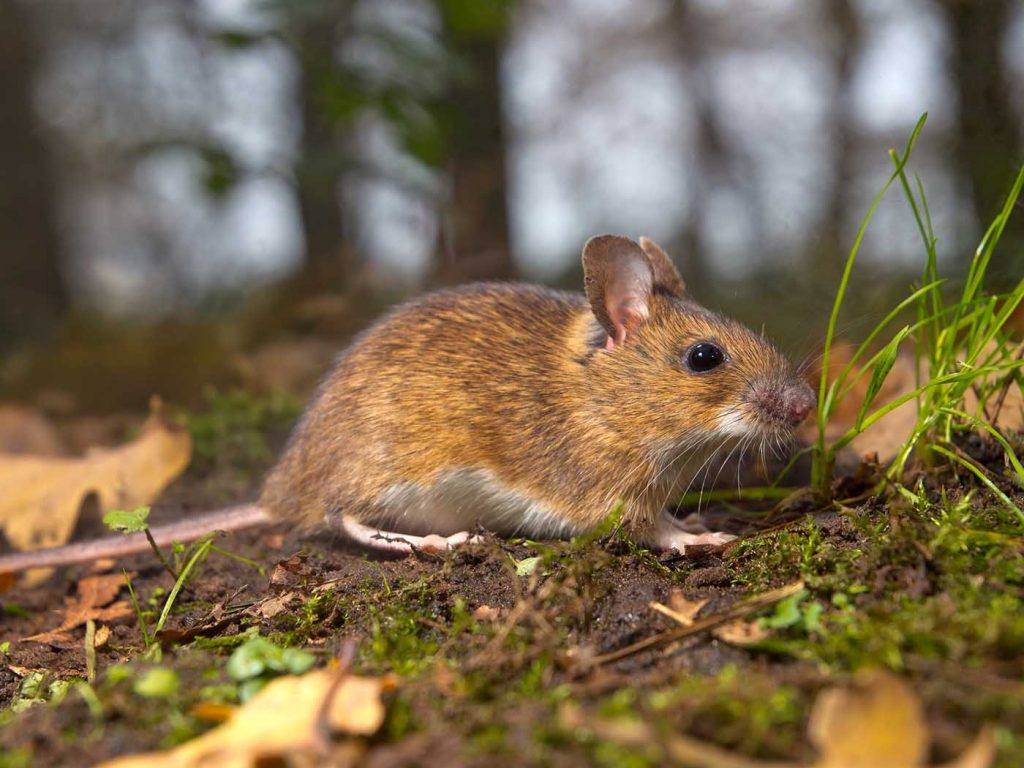
Pest infestations can come in many forms and some are easier to deal with than others. Not only that but some people can feel uncomfortable dealing with animals such as rats and certain insects, but would feel much more comfortable dealing with a mouse problem. Mice are very common pests which can be removed without too much effort but why is it so important to do this and how can you go about it?
How to Identify Mouse Droppings
The earlier you can identify the types of pests you are dealing with, the better. Once identified, you can either take preventative measures yourself or contact a professional to resolve the problem. If you are comfortable managing the situation on your own, accurate identification could save you money. Mouse droppings appear as small, brown or black pellets with tapered ends, typically measuring between 3-6mm in length. They are often deposited in small clusters. Since mice excrete up to 75 times a day, you can expect to find them in significant numbers. If you find similar-looking droppings that are larger and more dispersed, they are likely from rats rather than mice. These droppings often mark where rodents have been active, so it is common to find them in kitchens or dining areas where crumbs and dropped food attract them.
Do Mouse Droppings Carry Any Disease Risks?
It is incredibly important to remove and sterilise the areas where you have found evidence of mice. Their nests along with their droppings and urine can potentially carry very dangerous viruses. These hantaviruses which infect rodents, although ineffective against the hosts, can be lethal to humans. They can cause fatality through diseases such as hantavirus pulmonary syndrome (HPS) which can be contracted simply through inhaling contaminants from rodent excretions. Within a period of 1-8 weeks after exposure to droppings and urine you could develop symptoms such as fever, exhaustion, muscle pains, nausea diarrhoea and dizziness. If these are not treated early then they can develop into HPS.
How to Safely Clean Up After Mice
The first step is to thoroughly ventilate the area where you have discovered the droppings. You must wear latex gloves and then spray them with heavily watered down bleach and leave it for 15 minutes. You must always disinfect the droppings themselves before you attempt to remove them so you do not inhale any contaminants through airborne transmission. Next, scoop them up with a plastic bag, dispose of them in an outdoor bin and then disinfect the area and anything that the droppings came into contact with.
Follow this by mopping the entire area. You must wash your hands after taking off your gloves and you must not bring your hands into contact with your eyes, nose and mouth at any point.
Our advice is contact an experienced rodent control professional to be safe. The money you could save by doing it yourself does not outweigh the risk you put on yourself or your loved ones.