
You spotted one silverfish. Then another. Now you want them dead.
Here’s the problem: silverfish are ancient survivors. They can go over a year without food, provided they have access to moisture, and they require 75% to 90% relative humidity to thrive. That’s according to Texas A&M University’s Field Guide to Common Texas Insects. Strip that humidity, and they’re vulnerable. Leave it intact, and no amount of spraying will solve the long-term problem.
This guide breaks down every proven method that kills silverfish, ranks them by effectiveness, and tells you exactly how to use them so you stop fighting symptoms and start eliminating the cause.
Table of Contents
- Why Silverfish Are Hard to Kill
- 1. Diatomaceous Earth
- 2. Boric Acid
- 3. Pyrethroid Insecticide Sprays
- 4. Sticky Traps
- 5. Cedar Oil and Cedar Shavings
- 6. Baking Soda
- 7. Dehumidifiers and Ventilation
- 8. Professional Pest Control
- Method Comparison Table
- How to Stop Silverfish Coming Back
- Conclusion
Why Silverfish Are Hard to Kill
Silverfish are nocturnal, fast, and paper-thin, which lets them slip into cracks most sprays never reach. A female can lay over 100 eggs in her lifespan, deposited singly or in small clusters inside cracks and crevices. Those eggs are invisible to the naked eye and impervious to most surface treatments.
Their preferred hiding zones are wall voids, attic insulation, bathroom subfloors, and book stacks. Any control strategy that ignores these harborage sites will fail within weeks.
The kill method you choose should match the scale of the infestation. Light infestations respond well to desiccant dusts and traps. Heavy infestations need chemical intervention plus structural fixes.
1. Diatomaceous Earth
Diatomaceous earth (DE) is a food-grade powder made from fossilised algae. Its microscopic, sharp edges cut the waxy outer layer of a silverfish’s exoskeleton, causing it to dehydrate and die within 48 hours.
How to use it: Dust lightly along baseboards, inside wall voids, under sinks, and in the back of closets. Use a hand duster or a dry paintbrush for precise application. Wear a dust mask during application.
Key rule: DE only works when dry. Wet conditions neutralise it entirely. Reapply after any moisture exposure.
Inorganic dusts such as diatomaceous earth remain effective indefinitely in dry locations, but if deposits get wet and then dry, they cake and become difficult for insects to pick up.
2. Boric Acid
Boric acid is a low-toxicity insecticide that acts on silverfish both as a stomach poison and a desiccant. When silverfish walk through boric acid dust, they ingest it during grooming.
How to use it: Apply a thin, barely visible layer in dark areas where silverfish travel: behind appliances, inside cabinet bases, along pipe runs. A thick application is counterproductive as silverfish will walk around obvious powder deposits.
Do not use boric acid in areas accessible to children or pets. It is toxic if ingested in quantity.
3. Pyrethroid Insecticide Sprays
For active, visible infestations, pyrethroid sprays are the fastest contact kill available without professional-grade equipment.
Household sprays containing synergised pyrethrin and pyrethroids such as bifenthrin, cyfluthrin, tetramethrin, and phenothrin kill silverfish on contact and provide residual activity. Apply directly into cracks and crevices in door and window casings, along baseboards, in closets, and into voids where pipes enter walls.
Critical point: Foggers and bug bombs do not work on silverfish. Foggers are not recommended for silverfish infestations. The aerosol does not penetrate the deep harborage zones where silverfish live and breed.
Expect to wait two to three weeks before judging results. If silverfish persist past that window, they are likely breeding in an untreated void.
4. Sticky Traps
Sticky traps do not kill large populations but are invaluable as monitoring tools. Place them along walls and in known silverfish corridors: bathroom vanity bases, bookshelves, pantry floors, and laundry room corners.
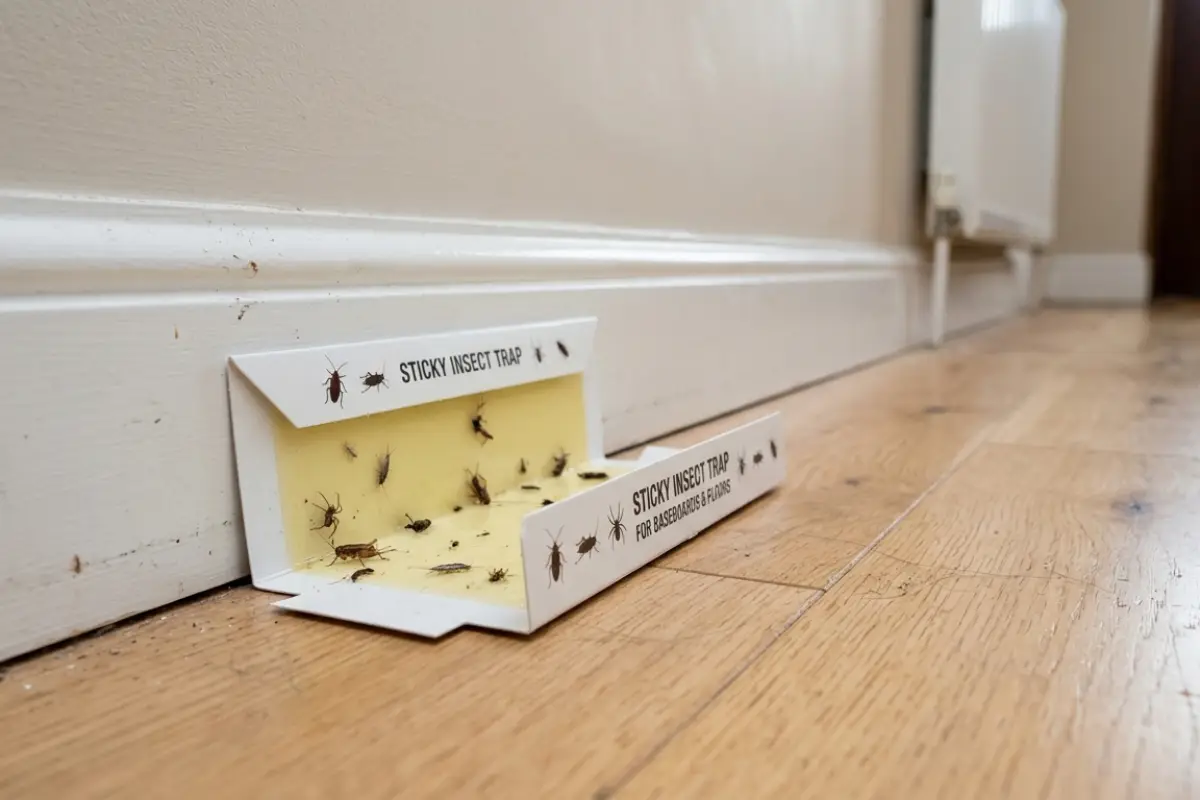
High trap counts tell you where the infestation is densest and whether it’s growing. Use that data to direct your DE or boric acid application precisely rather than treating the entire home.
Replace traps every four to six weeks or when the adhesive fills.
5. Cedar Oil and Cedar Shavings
Cedar contains natural compounds, primarily thujopsene, that repel silverfish by disrupting their sensory receptors. Cedar does not kill silverfish outright but drives them out of treated areas.
Best use: Line storage boxes, drawers, and wardrobes with cedar shavings or cedar blocks. This is particularly effective for protecting books, linen, and archival documents from silverfish feeding damage.
Cedar’s repellent effect fades as the wood dries out. Sand cedar blocks lightly every few months to refresh the oil.
6. Baking Soda
Baking soda mixed with sugar acts as a bait. Silverfish are attracted to the sugar and ingest the baking soda, which disrupts their digestive system.
This method is low-potency. It does not address eggs or hidden colonies, and silverfish populations absorb the loss of individual insects quickly given their reproduction rate. Use baking soda only as a supplementary tactic alongside a primary desiccant or chemical treatment.
Place small shallow dishes with the mixture in silverfish zones overnight and discard by morning to prevent moisture buildup.
7. Dehumidifiers and Ventilation
This is the single most important long-term control measure. Every other method on this list treats the symptom. Removing humidity attacks the root condition.
Silverfish are sensitive to moisture and require 75% to 90% relative humidity to survive. Drop indoor humidity below 50% consistently and you make your home biologically hostile to silverfish breeding and egg hatching.
Practical steps:
- Run a dehumidifier in the basement, bathroom, and laundry room
- Fix any leaking pipes or condensation issues under sinks
- Install exhaust fans in bathrooms and use them every time a shower runs
- Ventilate roof voids and subfloor spaces if applicable to your home type
A dehumidifier investment protects against silverfish, mould, and dust mites simultaneously. It is the most cost-efficient long-term solution available.
8. Professional Pest Control
When a silverfish infestation spans multiple rooms, persists after three weeks of DIY treatment, or originates in inaccessible structural voids such as a cedar shake roof or wall cavity, professional treatment is the correct call.
When a silverfish infestation spans multiple rooms, persists after three weeks of DIY treatment, or originates in inaccessible structural voids such as a cedar shake roof or wall cavity, professional treatment is the correct call. If you’re in Victoria, a qualified Pest Exterminator Melbourne will do more than spray; they will identify moisture sources, seal entry points, and treat deep harborage zones you cannot reach.
It is almost impossible to control large populations of silverfish and firebrats unless you have removed dripping water and moist surfaces. A good pest control operator will do more than spray; they will identify moisture sources, seal entry points, and treat deep harborage zones you cannot reach.
Ask specifically for a pyrethroid-based residual treatment combined with inorganic dust application in wall voids.
For homeowners already dealing with structural moisture issues flagged during a pest inspection, understanding the cost of professional home remediation across different problem types helps set realistic budget expectations before the work begins.
Method Comparison Table
| Method | Kill Speed | Kills Eggs | Best For | Cost Level |
| Diatomaceous Earth | 24-72 hrs | No | Light infestations, cracks | Low |
| Boric Acid | 24-72 hrs | No | Ongoing residual control | Low |
| Pyrethroid Spray | Immediate | No | Active, visible infestations | Low-Medium |
| Sticky Traps | N/A (monitor) | No | Tracking infestation zones | Low |
| Cedar Oil/Shavings | Repellent only | No | Protecting stored goods | Low |
| Baking Soda + Sugar | Slow (days) | No | Minor supplementary use | Minimal |
| Dehumidifier | Gradual (weeks) | Indirectly | Long-term prevention | Medium |
| Professional Pest Control | 1-3 weeks | Yes (targeted) | Severe/structural infestations | High |
How to Stop Silverfish Coming Back
Killing the current population means nothing if conditions stay the same. Address these four factors and silverfish have nowhere to establish:
Seal entry points
Silverfish enter through gaps around pipes, under doors, and through structural cracks. Seal these with silicone caulk, particularly where pipes penetrate walls under sinks.
Eliminate food sources
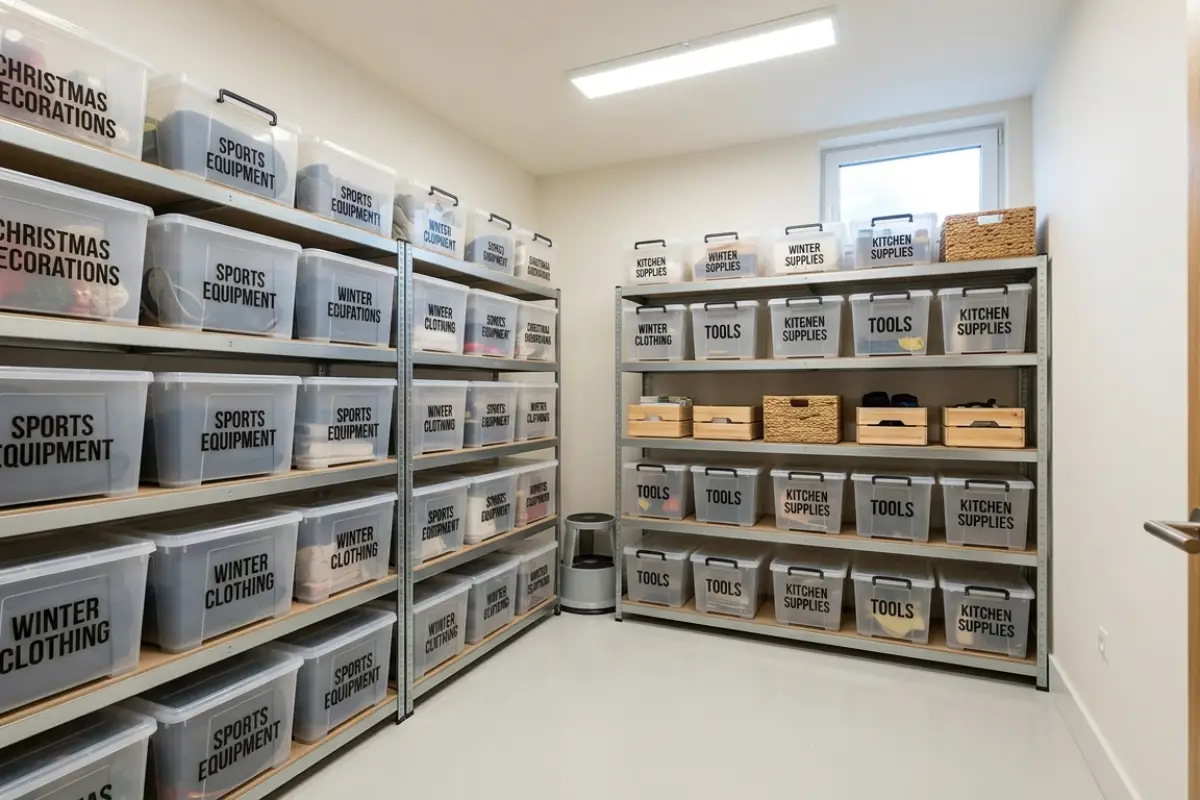
Store flour, cereals, and dry goods in sealed airtight containers. Box up loose papers and books in sealed storage bins. Remove stacks of old newspapers and cardboard, which are prime feeding and breeding sites.
Declutter storage zones
Dark, undisturbed piles of fabric, cardboard, or paper are ideal silverfish habitat. Regular disturbance of these areas prevents colonisation.
Vacuum regularly
Vacuum along baseboards, in corners, and behind furniture weekly. This removes silverfish eggs before they hatch and eliminates the microscopic food debris that sustains populations.
Conclusion
Silverfish are survivalists, but they have a hard biological dependency on high humidity that you can exploit. The most effective approach combines a fast-acting desiccant dust like diatomaceous earth or boric acid with structural humidity control, sealing of entry points, and elimination of food sources. Match the method to the severity of your infestation, and you will have a silverfish-free home within a few weeks.
